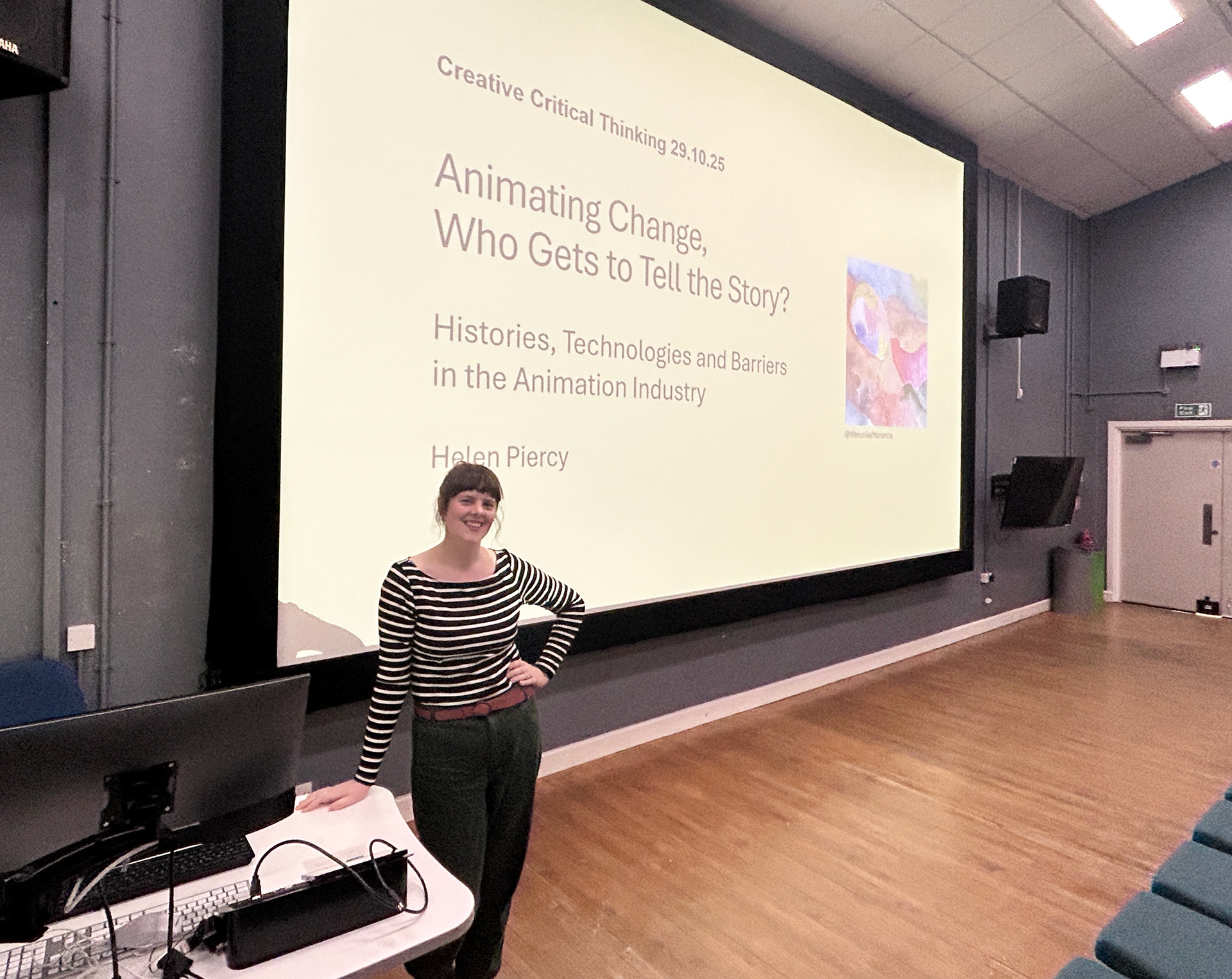
I was delighted to share my research exploring the histories, technologies and barriers that have shaped the animation industry, as part of the Animation and AVFX Creative Critical Thinking lecture series at Norwich University of the Arts.
My lecture 'Animating Change, Who Gets to Tell the Story? explored my areas of research interest:
Representation: how animation depicts identity, culture, experience with a focus on under under represented groups, Women, Trans, Non-Binary and Disabled Animators
Co-creation: participatory and collaborative creative processes
Creative Computing / Future Technology: the use of digital or future technology tools in animation and how it effects representation
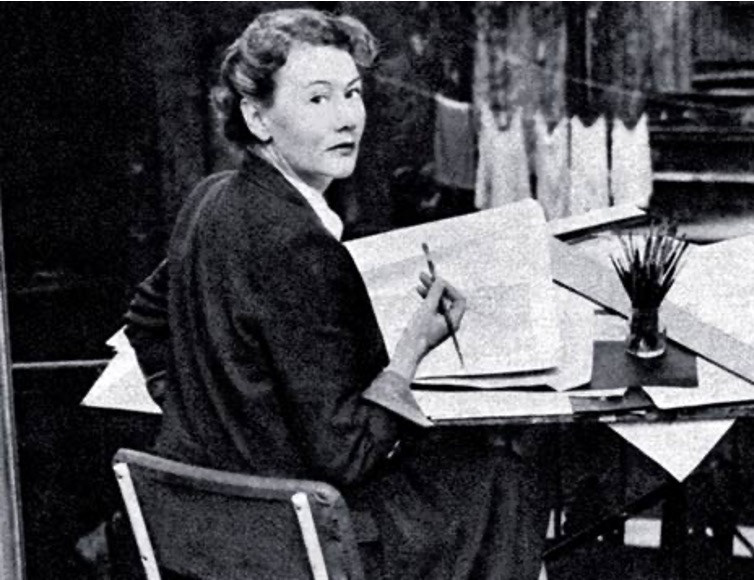
Joy Batchelor: Photo Private Collection
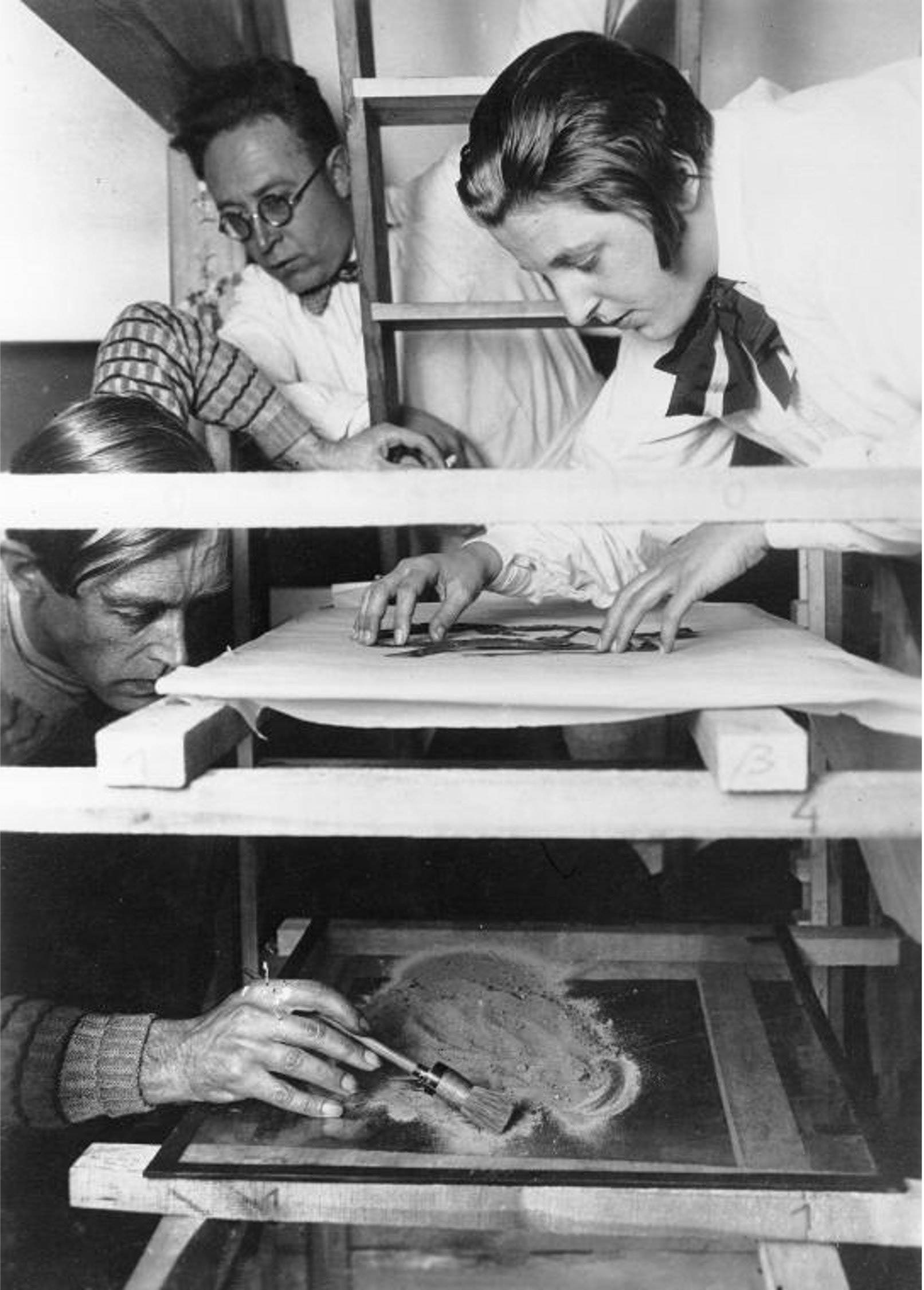
Lotte Reiniger: Photo Private Collection
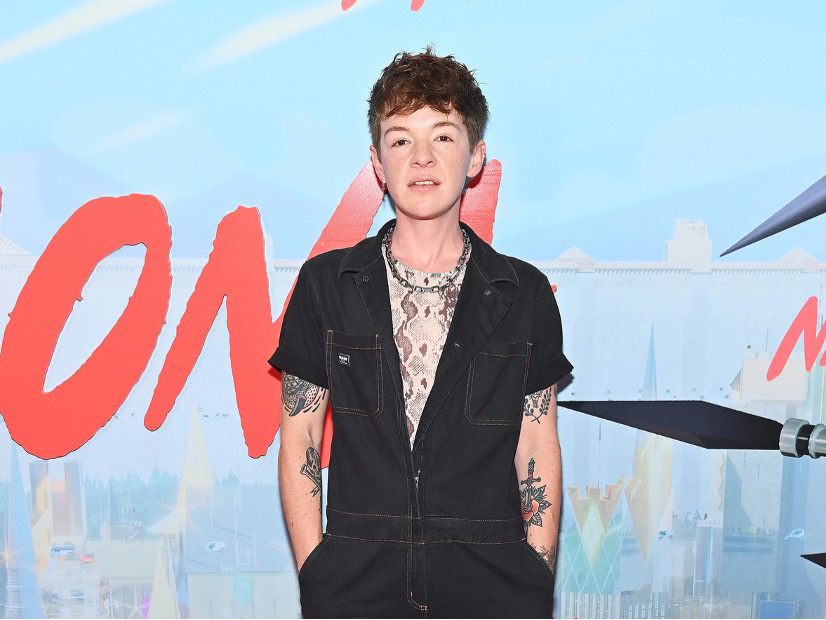
ND Stevenson: Photo by Roy Rochlin/Getty Images for Netflix
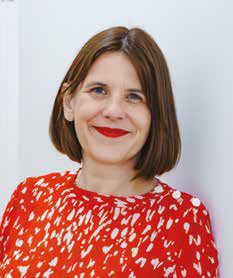
Rebecca Atkinson: Photo by Beth Moseley
|| Illuminating Underrepresented Figures in Animation History
In my talk, I drew attention to a number of marginalised voices in animation history to show how the industry has often excluded or overlooked certain voices including, Lotte Reiniger, Joy Batchelor, ND Stevenson and Rebecca Atkinson
Although animation has long been shaped by able-bodied men in key creative roles, its evolution owes much to the women, people of colour, LGBTQ+ creators and disabled artists who worked, and are continuing to work, against exclusion.
These underrepresented voices have often driven innovation, challenging stereotypes, broadening narratives and redefining what animation can express.
Reflecting on these contributions helped reveal to me how diversity behind the camera is essential to the art form’s ongoing growth and to the stories it chooses to tell.
|| Working Towards A More Diverse and Inclusive Industry
As part of my presentation, I was able to highlight several organisations working towards a more diverse and inclusive industry, including BlackFrame , ANIMATED WOMEN (UK) , WIA UK and ACCESS: VFX, all of which play vital roles in mentoring emerging talent, advocating for equitable hiring practices and amplifying the voices of underrepresented creators within animation and visual effects.
A discussion followed on the following topics:
|| Who gets to tell stories through animation and whose voices, styles, or experiences are missing?
|| How do industry structures, technologies and expectations create barriers for women, trans, non-binary and disabled animators?
|| What could change (creatively and culturally) if everyone had equal access to animate the world?
The concluding conversations made it clear that opening up animation to more voices isn’t just about fairness, it’s about making the stories we tell more exciting, original and true to the world around us.